Author Archives: Everette Sessions

Unknown's avatar

About Everette Sessions

I write about healthcare!

A Brief Note On Urostomy Complications

The chance of complications with a newly created urinary diversion is rare, but they can still arise. In this article, we will talk about the most common complications that might occur after urostomy surgery.
What is a urostomy?

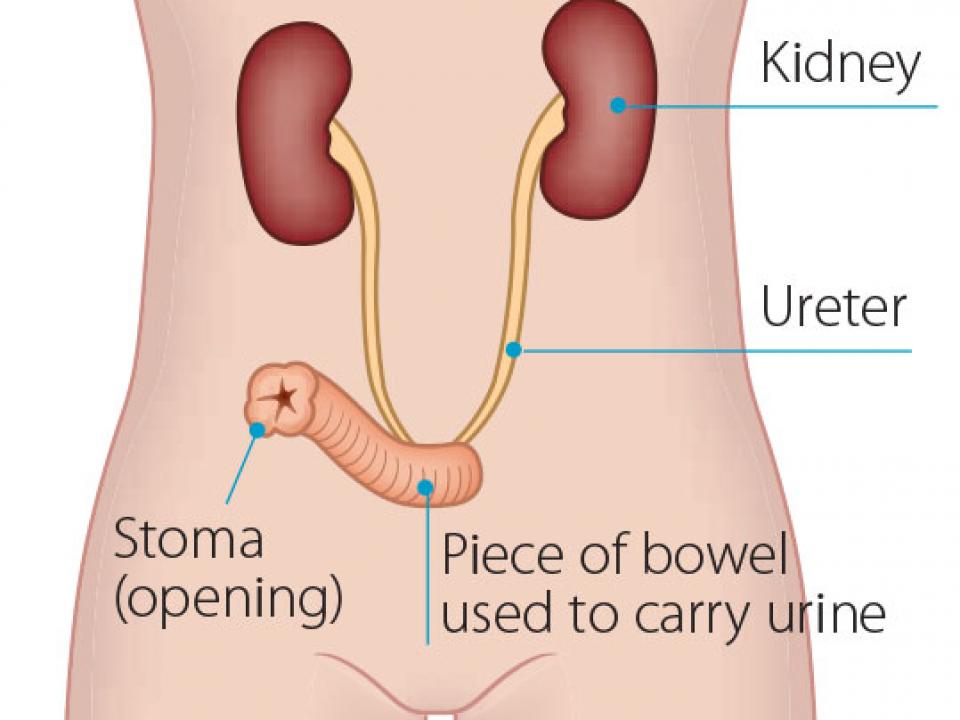
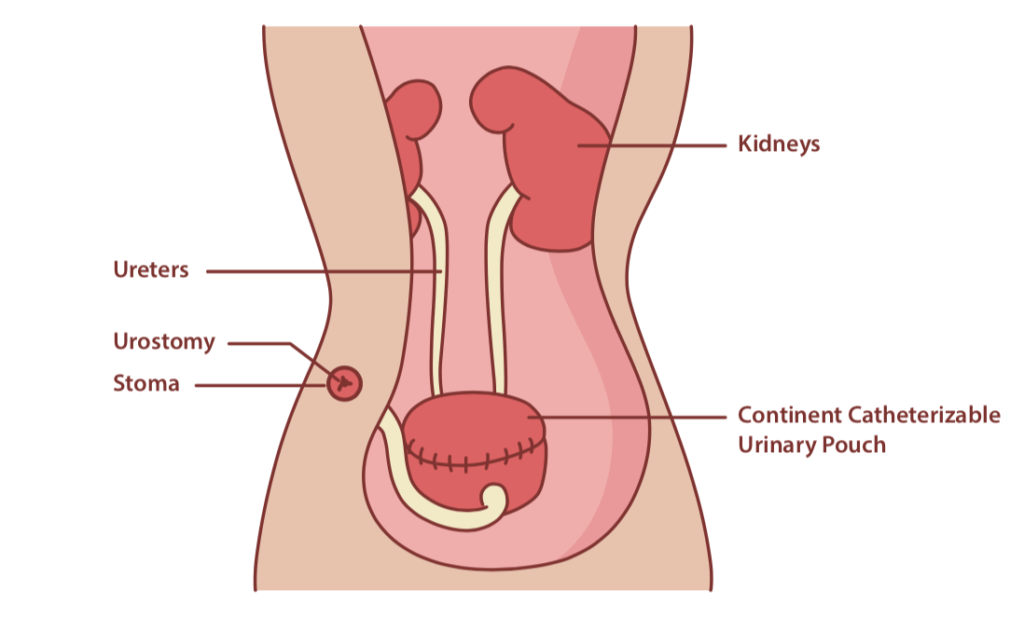
The creation of an opening in the belly to allow urine to pass out after removal of the bladder is known as urostomy surgery. To create this opening, the surgeon resects a piece of the small intestine. It is usually 6 inches long. One end of that piece is sewn. The surgeon attaches the ureters to that end. The other end appears on the belly, creating the stoma.

Urinary diversion surgery

An alternative to a urostomy is the continent pouch, which involves the creation of an internal pouch that stores urine. This pouch has a valve that passes urine either to the outside of the body through the abdominal wall, or to the urethra, activating the natural urinary pathway again. With a continent pouch, you are not going to have to wear an ostomy pouch on your belly. Instead, you will need to insert a catheter into the opening in the belly to remove urine from the internal pouch. Types of continent pouches include an Indiana pouch and a Kock pouch.
What to expect after surgery

You will need to stay in the hospital after surgery for 5-7 days. This hospital stay is crucial because there is a risk of blood clotting in the surgery site. This blood clotting can cause severe complications, which might even be life-threatening.

After surgery, you may have swelling in your genitals, and there might be some discharge from the urethra. You may also experience constipation, diarrhea, soreness, and pain. All these are normal.

You may shower three days after surgery, but make sure to avoid using soap. Clean your incision with water. If the incision turns redder or drains pus, contact your doctor immediately.

Urostomy complications

Here is a list of a few complications that might arise with a continent pouch. These complications are not quite worrisome and subside over time.

  • You may experience some leakage of urine. It is because the internal pouch is not big enough to hold a large volume of urine. Over time, it will get bigger, and the issue of leakage will settle.
  • The opening in your belly may discharge thick mucus. Because the opening is made of the intestine, its living tissues still generate mucus.
  • There may be some swelling in the stoma after surgery, but its size will reduce over time.

Some issues can be worrisome.

  • The urine turning light pink is the sign of bleeding. It is generally due to the irritation caused by the catheter. The body will adapt to catheterization over time, and the bleeding will settle. However, you may have to contact your doctor immediately if the bleeding is heavy.
  • You will need to contact your healthcare provider if the urine is dark, cloudy, and foul-smelling.
  • Watch out for bulging and pain in the abdomen.
  • Contact your doctor immediately if the stoma becomes dry, protrudes, sinks, or changes shape.

Most of these issues should subside over time, but you have to have the right information to prevent these common complications from getting out of control.

Things To Know About Bladder Surgery With An Ileal Conduit

In this article, we will talk about what you can expect from bladder surgery with an ileal conduit at different stages of the treatment.

About surgery

The urinary system consists of two kidneys, ureters, bladder, and urethra. Kidneys filter the blood to remove waste materials from it. These waste materials, in the form of urine, reach the bladder through the ureters. When the bladder is full, we feel the urge to urinate. The bladder expels urine through the urethra.

In some cases, your doctor may want to remove your bladder. The surgical process involved in this removal is known as a radical cystectomy. This surgery also involves the removal of some lymph nodes near the bladder.

Other organs that your surgeon may have to remove during surgery include the prostate, seminal vessels, urethra, and a part of the vasa deferentia. In women, the organs removed may include the uterus, ovaries, fallopian tubes, and a part of the vagina. The purpose of the removal of all these organs is generally to remove cancer cells.

Creating an ileal conduit

After removing the bladder, the surgeon will create a new pathway for urine to pass out. This pathway is known as a urostomy. The most common procedure that surgeons follow is the ileal conduit.

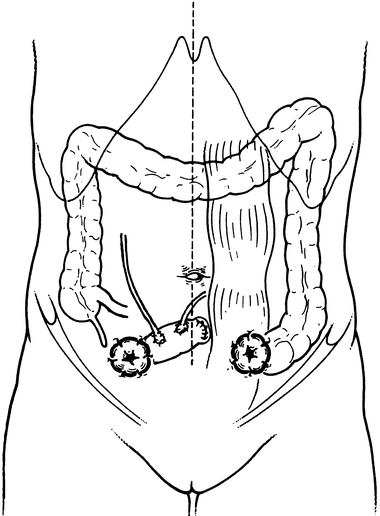
The ileal conduit is made of a small piece of the ileum. The surgeon will attach ureters to one end of this conduit, and pass the other end through an incision in the belly to create a stoma. As a result, this conduit will start serving as an alternative to the bladder. The ureters will pass urine into the conduit from where it will pass out of the body through the stoma.

This surgery generally takes 3 to 6 hours. It may get longer if you have severe medical conditions. After removing the bladder and creating the diversion using the ileal conduit, the surgeon will close the larger incision in the belly and suture the sides of the incision.

After surgery

The initial postoperative recovery takes 3 to 5 days. During this recovery phase, you will need to stay in the hospital. The doctor and the surgical staff will monitor you closely to make sure that you are doing well after surgery. They will allow you to go back home when they are confident that your surgery is a success.

An ostomy care nurse will visit you at home to make sure that you are recovering well. They will also teach you the ways to care for your urostomy. This urostomy care mainly involves the use of the ostomy pouch and taking care of the peristomal skin health. There will be a pain in the wound for a few days after surgery, but you can manage it through medication. You can talk to your doctor about the medication that you can take.

Due to the removal of a piece of the small intestine, you may face issues like diarrhea or constipation. These complications will subside over time, but you are going to have to make some changes in your diet and other activities to ensure early recovery.

Backpacking With a Stoma?

Don’t let your life get dull.  That was some of the advice I was given by the staff where I got my ostomy surgery.  I thought it was a bit of a funny thing to be tolled, but I am really glad my nurse to it to me.  My wife also gave me a similar piece of advice and it was more of a challenge.  I was certain that once I got a stoma and had to live with an ostomy bag that my life would slow down.  But I took those words to heart and decided to stay active and lively.  So even though I have stoma I took up the sport of backpacking.  I have always been an avid outdoorsman, but I really wanted to prove to myself and my family that my stoma would not stop me from living a full life.  So I chose the sport of backpacking and I couldn’t have been happier.

Going out and seeing new things is part of what fuels my personality.  I love being in the outdoors and seeing things that others havn’t or at least very few people have.  This got me into the idea that backpacking would be amazing.  I know that going far distances in places where people simply cannot drive would be a big boost to my own moral.  It was also going to be a big help to overcome the fear of my stoma.  So I started to learn how to backpack with a stoma. The first question that came to mind was the literaly term itself.  I wondered if I was going to be able to even use a backpacking backpack. 

Now there are so many different kinds of backpacks and also differnt placements for stomas.  Luckily mine is nice and high and that allows me to use backpacks with a hip belt.  That is important because it places the weight of the bag on your hips.  It allows you to generally go further and faster without hinering your body.  But if you have a lower stoma and know this simply will not work you are not out of luck.  The wonderful world of ultralight backpacking has created packs just for you.  It means you may need to also have an ultralight wieght of your kit, but in general that makes the trip more comfortable and fun.

This segment of backpacking created backpacks that are meant to not use a frame or a hipbelt.  They are so focused on lightweight that they want it all to be done with shoulder straps.  If you have a stoma then this is something you should consider.  The youtube chanells are filled with ultralight backpackers that can give tons of tips and gear advice on what to use and bring for long backpacking trips.  Most thru-hikers or long term backpackers are ultra light.  This is so cool because it is like the entire sport was meant for thsoe with an ostomy.  I have learned how to pack light and go long distances all while being comfortable and safe.  I highly suggest you check out this area if you are interested.

I also liked to take advice from channels with people are also have stoma’s and like to be as active as I do.  It has been a joruney and I hope I never stop learning.

Ostomy Surgery and the Texture of Stool a Stoma Discharges

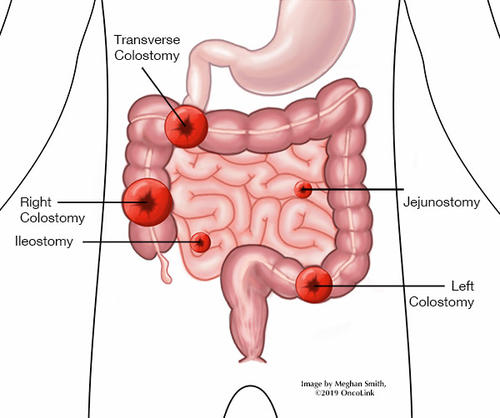
Ostomy is an operation that happens to treat an infection, blockage, disease, cancer, birth defect, or injury in the digestive canals of the human body. They eliminate these problems from the bladder, rectum, colon, or ileum. So, a body can live a normal and healthy life. Well, every type of ostomy needs a specific elimination of a special canal in the digestive system. For example, to treat the infections, cancers, injuries, blockages, and defects from the colon and rectum, doctors perform a colostomy. The same is the case with the ileum or small intestine, to treat it, surgeons do ileostomy. And when there is a complication in the bladder or urinary canals in the human body, doctors remove the infected areas and perform a urostomy.

The colostomy and ileostomy are the two surgeries that treat infections and diseases in the small intestine and large intestine. Therefore, the openings or stomas constructed as a result of the colostomy and ileostomy are responsible for the discharge of stool. These holes in the abdomen of the patient release solid or liquid stool. Well, the texture of the solid waste of the person depends on the type of ostomy, such as ileostomy and colostomy.

The Texture of Stool After an Ostomy Surgery

Right after the building of the stoma, the internal organs do not release the normal stool. In the early times of the ostomy, it can release blood and mucus in the stool. Therefore, it will be hard to recognize that feces is normal or not. Moreover, in every type of ostomy, either it is colostomy or ileostomy, the opening ill ejects the thin liquid stool. It is because of the diet. An ostomate is on a liquid diet in the early operation days. Therefore, the discharge texture will be watery.

The Texture of Stool After Colostomy Surgery

Well, right after the colostomy, a patient will eject the liquid stool from the stoma. And, it is quite normal for the ostomates because of the high liquid intake. But, when the internal colon and ileum get healed, then the colostomy stoma will discharge a solid or hard texture of the feces. It will never come out in the liquid form. If a colostomy patient is releasing a liquid stool, then the ostomate is suffering from diarrhea and that is not normal. Moreover, such patients should not release a too hard texture of stool, like in the condition of constipation.

To discharge the normal stool after the colostomy surgery, the ostomate needs to avoid the foods that can cause problems in the digestive system and release the liquid feces or become a source for constipation. A person should not eat garlic, onion, oranges, dry fruits, mangoes, red beans, cucumbers, bananas, eggplants, cereals, meat, and burgers.

The Texture of Stool After Ileostomy Surgery

The ileostomy patients will discharge the liquid, a very thin and watery form of stool in the initial days of the formation of a stoma. It is also because of the liquid food a patient will eat in the hospital, but there is another reason that the ileostomy stoma will always discharge liquid stool. Surgeons will completely delete the colon from the digestive system of a person; therefore, an ileostomy person cannot eject the solid texture of the feces. It will be a thin or thick liquid.

Well, the normal texture is watery stool in the case of ileostomy, but in case it releases a hard form, then it will block the stoma and internal digestive canals. Thus, to avoid the stoma bleeding, blockage, loose motion, or too much thin and watery feces, a patient should avoid meat, dry fruits, cucumbers, juices, oranges, eggplants, broccoli, red beans, and other food items that can cause diarrhea, gas, and odor.

Diversion Colitis – Its Symptoms and Treatment

Diversion Colitis

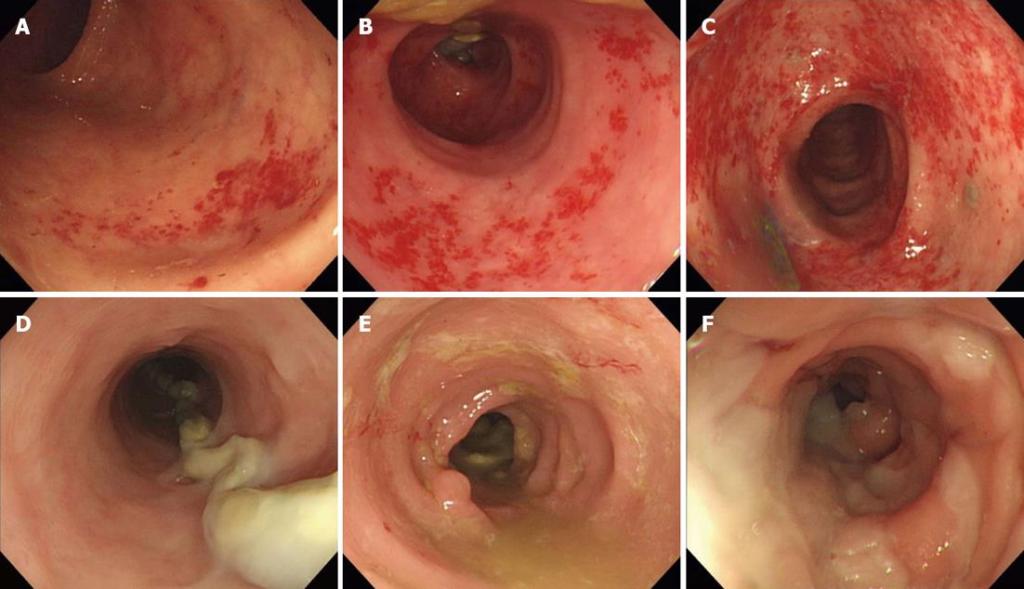
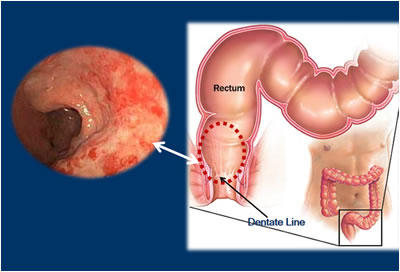
After ostomy surgery, many people develop a condition, called diversion colitis. It is a state in which ostomate complains about burning/inflammation in the large intestine (colon and rectum). This disease appears in patients who have gone through the colostomy surgery. Moreover, another reason for this inflammation is inflammatory bowel disease (IBD). Due to IBD, the infection appears in the rectum section of the large intestine, called diversion proctitis.

Symptoms of Diversion Colitis

Diversion Colitis is a common disease that appears in many ostomates after the surgery of colostomy or inflammatory bowel disease. But, there are no specific reasons for this disease. Moreover, not every colostomy patients need to develop inflammation in the colon and diversion colitis.

Some common symptoms for diversion colitis or inflammation are:

1.         Pain in the abdomen.

2.         Discharge from the rectal canal.

3.         Bleeding from rectum.

4.         Tenesmus – it requires an urgent drainage treatment of bowel.

Types of Ostomy Operations

Ostomy operations happen in the digestive section of the human body. It eliminates any kind of disease, infection, cancer, birth defect, problem, blockage, or injury in the colon, rectum, ileum, bladder, or urinary tracks. But, it also happens because of ulcerative colitis. It is a treatment for this disease also.

  1. Ileostomy
  2. Urostomy
  3. Colostomy

The Procedure of Ulcerative Colitis

An ostomy operation, a usually stoma or ostomy happens to treat ulcerative colitis. Ostomy surgery can remove inflammation in the colon section. During operation, doctors remove the infected part of the large intestine. They create a stoma on the left side, the same that appears in the condition of colostomy. During the ulcerative colitis operation, surgeons can remove the part of the bowel if it has any kind of burning or inflammation. Moreover, doctors reverse the diversion of the internal organs to treat the inflammation, also called takedown of the colon.

In some cases, where the entire colon burns and creates a sensation in the digestive canal of the patient, doctors will remove the whole colon, thus they create a stoma from the ileum, called an ileostomy. In this type of incision, the stoma appears on the right side of the abdomen. Well, in the case of colostomy, surgeons usually create a loop colostomy to treat ulcerative colitis.

Pouching System for Diversion Colitis

Well, the treatment for the diversion requires ileostomy and some times colostomy. Thus, the pouching system depends on the type of treatment, and stoma doctors will fabricate. In the case of ileum stoma creation, a patient must wear the drainable pouching system. Well, it is appropriate to wear a stoma bag, an ostomate can empty at any time and easily. It will also release the tick or thin waste material, not urine, it will be stool but not in the original texture. Therefore, a drainable pouching system will be perfect for ostomates. When it comes to replacing or changing of the ostomy bags and other appliances, and ulcerative colitis patient must not need to wear it for more than three days. It is appropriate to wash the stoma and take medicines for the inflammation problem.

Care for Diversion Colitis

There is no special care or any specific rule for diversion colitis patients. They can live an ileostomy or colostomy life. Merely, the diet changes are necessary according to the formation of stool. It a diversion colitis ostomate is releasing loose stool, it is good to eat dry fruits, meat, and pasta. However, in the case of constipation, the person can have pulses and fresh fruits in their diet. But, there is no change in physical activities, dressing style, daily routine, cleanliness habits, or work.