In this article, we will talk about what you can expect from bladder surgery with an ileal conduit at different stages of the treatment.

About surgery
The urinary system consists of two kidneys, ureters, bladder, and urethra. Kidneys filter the blood to remove waste materials from it. These waste materials, in the form of urine, reach the bladder through the ureters. When the bladder is full, we feel the urge to urinate. The bladder expels urine through the urethra.
In some cases, your doctor may want to remove your bladder. The surgical process involved in this removal is known as a radical cystectomy. This surgery also involves the removal of some lymph nodes near the bladder.
Other organs that your surgeon may have to remove during surgery include the prostate, seminal vessels, urethra, and a part of the vasa deferentia. In women, the organs removed may include the uterus, ovaries, fallopian tubes, and a part of the vagina. The purpose of the removal of all these organs is generally to remove cancer cells.
Creating an ileal conduit
After removing the bladder, the surgeon will create a new pathway for urine to pass out. This pathway is known as a urostomy. The most common procedure that surgeons follow is the ileal conduit.
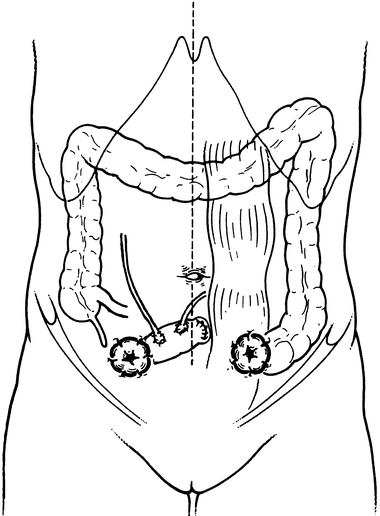
The ileal conduit is made of a small piece of the ileum. The surgeon will attach ureters to one end of this conduit, and pass the other end through an incision in the belly to create a stoma. As a result, this conduit will start serving as an alternative to the bladder. The ureters will pass urine into the conduit from where it will pass out of the body through the stoma.
This surgery generally takes 3 to 6 hours. It may get longer if you have severe medical conditions. After removing the bladder and creating the diversion using the ileal conduit, the surgeon will close the larger incision in the belly and suture the sides of the incision.
After surgery
The initial postoperative recovery takes 3 to 5 days. During this recovery phase, you will need to stay in the hospital. The doctor and the surgical staff will monitor you closely to make sure that you are doing well after surgery. They will allow you to go back home when they are confident that your surgery is a success.
An ostomy care nurse will visit you at home to make sure that you are recovering well. They will also teach you the ways to care for your urostomy. This urostomy care mainly involves the use of the ostomy pouch and taking care of the peristomal skin health. There will be a pain in the wound for a few days after surgery, but you can manage it through medication. You can talk to your doctor about the medication that you can take.
Due to the removal of a piece of the small intestine, you may face issues like diarrhea or constipation. These complications will subside over time, but you are going to have to make some changes in your diet and other activities to ensure early recovery.
 Stoma Health