Monthly Archives: March 2016

Ostomy Surgery and the Texture of Stool a Stoma Discharges

Ostomy is an operation that happens to treat an infection, blockage, disease, cancer, birth defect, or injury in the digestive canals of the human body. They eliminate these problems from the bladder, rectum, colon, or ileum. So, a body can live a normal and healthy life. Well, every type of ostomy needs a specific elimination of a special canal in the digestive system. For example, to treat the infections, cancers, injuries, blockages, and defects from the colon and rectum, doctors perform a colostomy. The same is the case with the ileum or small intestine, to treat it, surgeons do ileostomy. And when there is a complication in the bladder or urinary canals in the human body, doctors remove the infected areas and perform a urostomy.

The colostomy and ileostomy are the two surgeries that treat infections and diseases in the small intestine and large intestine. Therefore, the openings or stomas constructed as a result of the colostomy and ileostomy are responsible for the discharge of stool. These holes in the abdomen of the patient release solid or liquid stool. Well, the texture of the solid waste of the person depends on the type of ostomy, such as ileostomy and colostomy.

The Texture of Stool After an Ostomy Surgery

Right after the building of the stoma, the internal organs do not release the normal stool. In the early times of the ostomy, it can release blood and mucus in the stool. Therefore, it will be hard to recognize that feces is normal or not. Moreover, in every type of ostomy, either it is colostomy or ileostomy, the opening ill ejects the thin liquid stool. It is because of the diet. An ostomate is on a liquid diet in the early operation days. Therefore, the discharge texture will be watery.
The Texture of Stool After Colostomy Surgery

Well, right after the colostomy, a patient will eject the liquid stool from the stoma. And, it is quite normal for the ostomates because of the high liquid intake. But, when the internal colon and ileum get healed, then the colostomy stoma will discharge a solid or hard texture of the feces. It will never come out in the liquid form. If a colostomy patient is releasing a liquid stool, then the ostomate is suffering from diarrhea and that is not normal. Moreover, such patients should not release a too hard texture of stool, like in the condition of constipation.

To discharge the normal stool after the colostomy surgery, the ostomate needs to avoid the foods that can cause problems in the digestive system and release the liquid feces or become a source for constipation. A person should not eat garlic, onion, oranges, dry fruits, mangoes, red beans, cucumbers, bananas, eggplants, cereals, meat, and burgers.

The Texture of Stool After Ileostomy Surgery
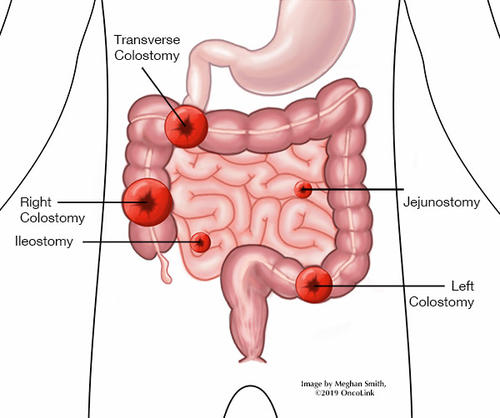
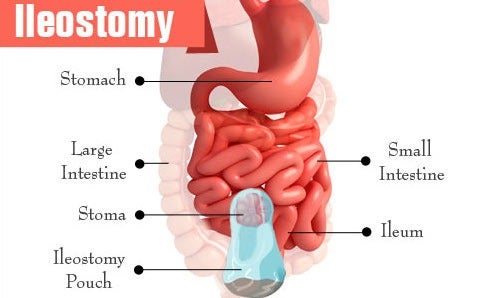
The ileostomy patients will discharge the liquid, a very thin and watery form of stool in the initial days of the formation of a stoma. It is also because of the liquid food a patient will eat in the hospital, but there is another reason that the ileostomy stoma will always discharge liquid stool. Surgeons will completely delete the colon from the digestive system of a person; therefore, an ileostomy person cannot eject the solid texture of the feces. It will be a thin or thick liquid.

Well, the normal texture is watery stool in the case of ileostomy, but in case it releases a hard form, then it will block the stoma and internal digestive canals. Thus, to avoid the stoma bleeding, blockage, loose motion, or too much thin and watery feces, a patient should avoid meat, dry fruits, cucumbers, juices, oranges, eggplants, broccoli, red beans, and other food items that can cause diarrhea, gas, and odor.
Diversion Colitis – Its Symptoms and Treatment

Diversion Colitis

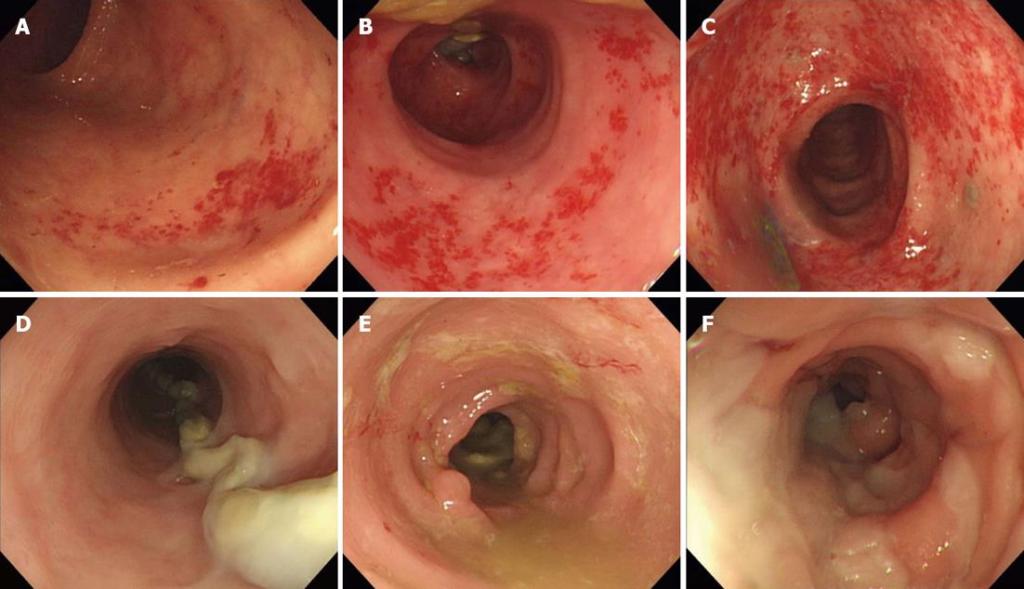
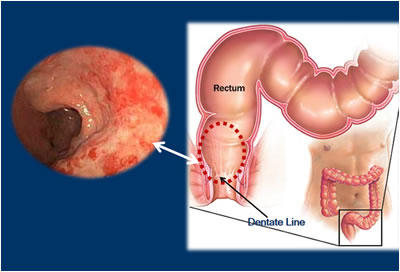
After ostomy surgery, many people develop a condition, called diversion colitis. It is a state in which ostomate complains about burning/inflammation in the large intestine (colon and rectum). This disease appears in patients who have gone through the colostomy surgery. Moreover, another reason for this inflammation is inflammatory bowel disease (IBD). Due to IBD, the infection appears in the rectum section of the large intestine, called diversion proctitis.

Symptoms of Diversion Colitis

Diversion Colitis is a common disease that appears in many ostomates after the surgery of colostomy or inflammatory bowel disease. But, there are no specific reasons for this disease. Moreover, not every colostomy patients need to develop inflammation in the colon and diversion colitis.

Some common symptoms for diversion colitis or inflammation are:

1.         Pain in the abdomen.

2.         Discharge from the rectal canal.

3.         Bleeding from rectum.

4.         Tenesmus – it requires an urgent drainage treatment of bowel.

Types of Ostomy Operations

Ostomy operations happen in the digestive section of the human body. It eliminates any kind of disease, infection, cancer, birth defect, problem, blockage, or injury in the colon, rectum, ileum, bladder, or urinary tracks. But, it also happens because of ulcerative colitis. It is a treatment for this disease also.

  1. Ileostomy
  2. Urostomy
  3. Colostomy

The Procedure of Ulcerative Colitis

An ostomy operation, a usually stoma or ostomy happens to treat ulcerative colitis. Ostomy surgery can remove inflammation in the colon section. During operation, doctors remove the infected part of the large intestine. They create a stoma on the left side, the same that appears in the condition of colostomy. During the ulcerative colitis operation, surgeons can remove the part of the bowel if it has any kind of burning or inflammation. Moreover, doctors reverse the diversion of the internal organs to treat the inflammation, also called takedown of the colon.

In some cases, where the entire colon burns and creates a sensation in the digestive canal of the patient, doctors will remove the whole colon, thus they create a stoma from the ileum, called an ileostomy. In this type of incision, the stoma appears on the right side of the abdomen. Well, in the case of colostomy, surgeons usually create a loop colostomy to treat ulcerative colitis.

Pouching System for Diversion Colitis

Well, the treatment for the diversion requires ileostomy and some times colostomy. Thus, the pouching system depends on the type of treatment, and stoma doctors will fabricate. In the case of ileum stoma creation, a patient must wear the drainable pouching system. Well, it is appropriate to wear a stoma bag, an ostomate can empty at any time and easily. It will also release the tick or thin waste material, not urine, it will be stool but not in the original texture. Therefore, a drainable pouching system will be perfect for ostomates. When it comes to replacing or changing of the ostomy bags and other appliances, and ulcerative colitis patient must not need to wear it for more than three days. It is appropriate to wash the stoma and take medicines for the inflammation problem.

Care for Diversion Colitis

There is no special care or any specific rule for diversion colitis patients. They can live an ileostomy or colostomy life. Merely, the diet changes are necessary according to the formation of stool. It a diversion colitis ostomate is releasing loose stool, it is good to eat dry fruits, meat, and pasta. However, in the case of constipation, the person can have pulses and fresh fruits in their diet. But, there is no change in physical activities, dressing style, daily routine, cleanliness habits, or work.